Getting Dental Treatment Done in Fewer Visits With Sedation
How sedation can allow more dental treatment per visit: what is realistic, how suitability is assessed, and what to expect afterwards.
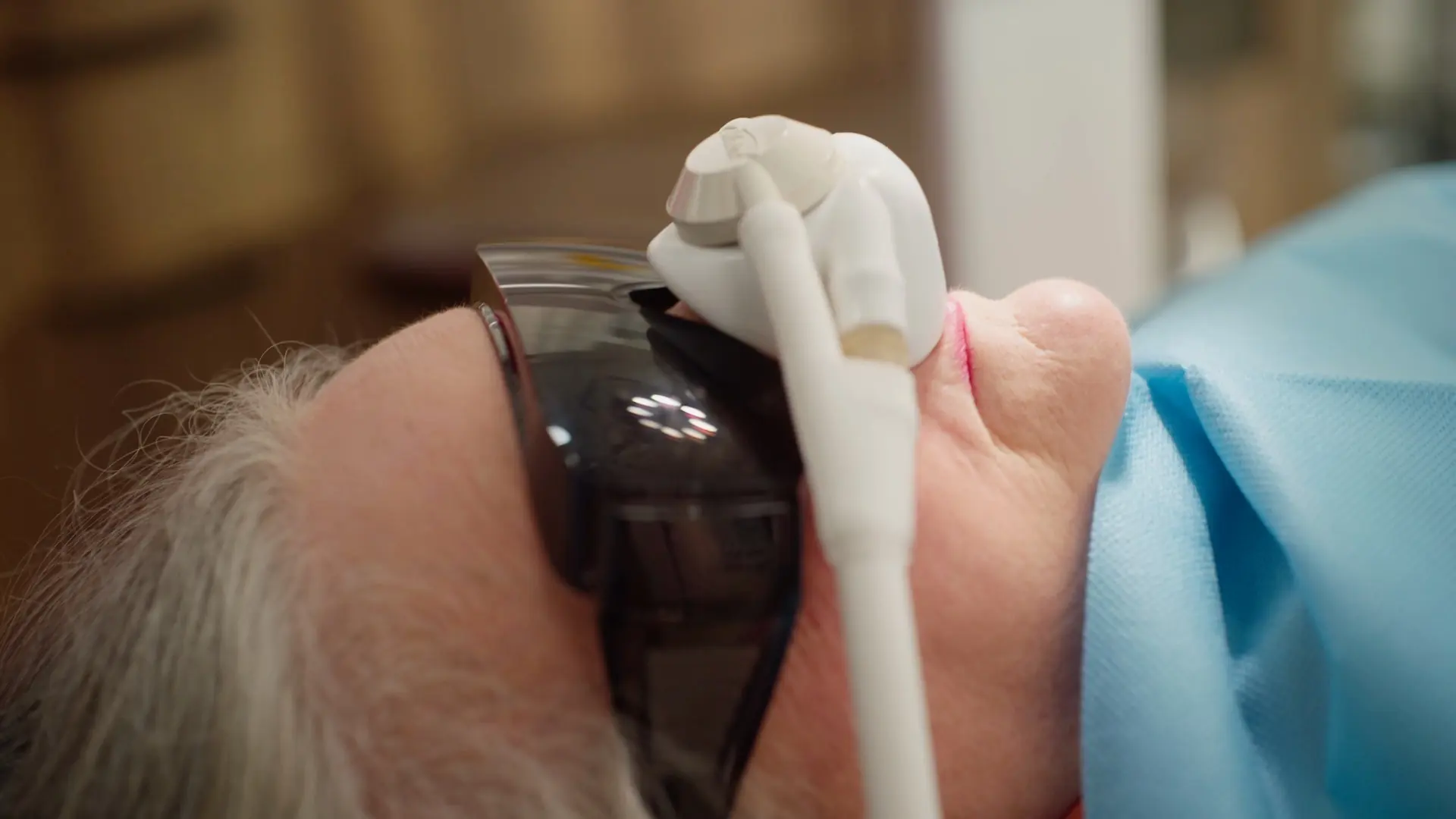
If you have put off dental care for years, the idea of a long series of appointments can be enough to keep putting it off. Multiple visits, repeated numbing, the anticipation each time: it adds up, and for many people it becomes a reason to keep avoiding the chair. It is a familiar story among the people we see in the inner north: busy professionals working around Civic, students juggling study, and renters moving between suburbs like Turner, Dickson and O’Connor who never seem to find a run of free time to get everything done. Sedation offers one way to approach this differently. Because sedation can make a longer appointment more comfortable to sit through, it can allow more treatment to be completed in a single session. This article explains what that can and cannot mean, and why it always depends on an individual assessment. It is general information only and is not a substitute for a consultation with a qualified practitioner.
Why care gets deferred: and why it builds up
Dental problems rarely resolve on their own. When care is delayed, small issues tend to become larger ones, and what might once have needed a single visit can grow into a longer list of treatment. For someone who has avoided the dentist for years, that list can feel overwhelming, and the prospect of many separate appointments can reinforce the avoidance.
This is a common situation, and it is worth naming plainly: the barrier is often not the treatment itself but the number of times a person imagines having to face it. Anxiety, a busy schedule, past experiences and the sheer volume of work all feed into the same reluctance. For someone working long hours in the city or studying nearby, finding several separate slots to keep coming back can feel like the hardest part of all.
How sedation can reduce the number of visits
Under sedation, many people find they can comfortably remain relaxed for a longer appointment than they would otherwise tolerate. That extra comfort can, in turn, make it practical for a practitioner to complete more treatment in one sitting rather than spreading it across several shorter visits.
There are a few reasons a longer sedation session can help consolidate treatment:
- you stay in a deeply relaxed state, which makes sitting through more work more manageable
- anxiety that would normally interrupt or shorten a visit is reduced
- a strong gag reflex, which can make longer procedures difficult, is often easier to manage
- procedures that might be split up to limit how long you are in the chair can sometimes be grouped together
The result is not a fixed formula. It is simply that removing the discomfort of being there for longer opens up options for how treatment is sequenced, and for some people that means fewer overall visits.
What is realistic: and what is not
It is important to be honest about the limits here. Sedation can make a longer appointment easier to tolerate, but it does not change what is clinically sensible to do at once. How much treatment can reasonably be completed in a single session depends on many things: the type and complexity of the work, how your body responds, the time each procedure takes, and sound clinical judgement about what should be staged rather than rushed.
Some treatment genuinely needs to happen in stages (for reasons of healing, sequence, or the nature of the procedure) and no amount of sedation changes that. So while “more in fewer visits” is a real possibility for many people, it is not a guarantee, and anyone promising a specific outcome before assessing you should be treated with caution. The realistic framing is this: sedation can expand what is comfortable in a visit, and your practitioner then decides what is appropriate to do within that.
Suitability is assessed individually
Whether a longer, consolidated sedation appointment suits you is an individual decision, made after a proper assessment. Your practitioner will review your medical history, your current medications and the treatment you need before recommending an approach.
That assessment also determines which type of sedation fits your situation. Lighter options such as nitrous oxide (“happy gas”) suit some people and some procedures, while intravenous (IV) sedation may be considered for longer or more involved treatment. Our overview of the types of dental sedation compared explains how these differ, and our guide to happy gas and nitrous oxide covers the lightest option in more detail. If you would like to understand the day itself, what to expect with IV sedation dentistry walks through it step by step.
Because a longer session naturally means more treatment, it is also worth understanding how sedation and treatment are costed together. Our post on sedation dentistry cost in Canberra covers the general factors involved, and payment plans through Humm, ZIP, Afterpay and TLC, along with HICAPS for eligible health fund claims, may help with planning.
What to expect if you are catching up on care
If you are returning to the dentist after a long absence, the first step is not treatment. It is a conversation. A consultation lets your practitioner understand what needs doing, listen to your concerns, and talk through whether sedation and a longer appointment make sense for you. Being on Northbourne Avenue in Braddon, a short walk from Civic and on the light-rail line, we see a lot of people for whom consolidating treatment into fewer trips genuinely matters.
For many people who have avoided care, that first conversation is the hardest part, and it is often more reassuring than expected. If anxiety is a large part of why you have stayed away, you may find our suggestions on managing dental anxiety in Canberra a helpful place to start. From there, any plan is built around your circumstances rather than a standard template.
Sedation dentistry at Dental Embassy
Dental Embassy in Braddon, Canberra is a sedation-focused practice offering nitrous oxide, oral and IV sedation in-house. If you have treatment you have been putting off and want to understand whether it can be approached in fewer visits, the starting point is a consultation, where your health history and treatment needs are assessed and your options explained.
You can read more on our sedation dentistry page, call us on 1300 000 230, or get in touch to arrange a consultation.
This article is general information only and does not constitute dental or medical advice. Any procedure involving sedation carries risks. Before proceeding, you should seek advice from an appropriately qualified health practitioner about your individual circumstances.
Have a question about your own situation?
Book a consultation with the team at Dental Embassy in Braddon. We’ll assess your teeth, explain your options, and answer your questions before anything is decided.