What to Expect With IV Sedation Dentistry
An educational guide to IV sedation dentistry: what it is, who it may suit, how patients are monitored, and what recovery involves.
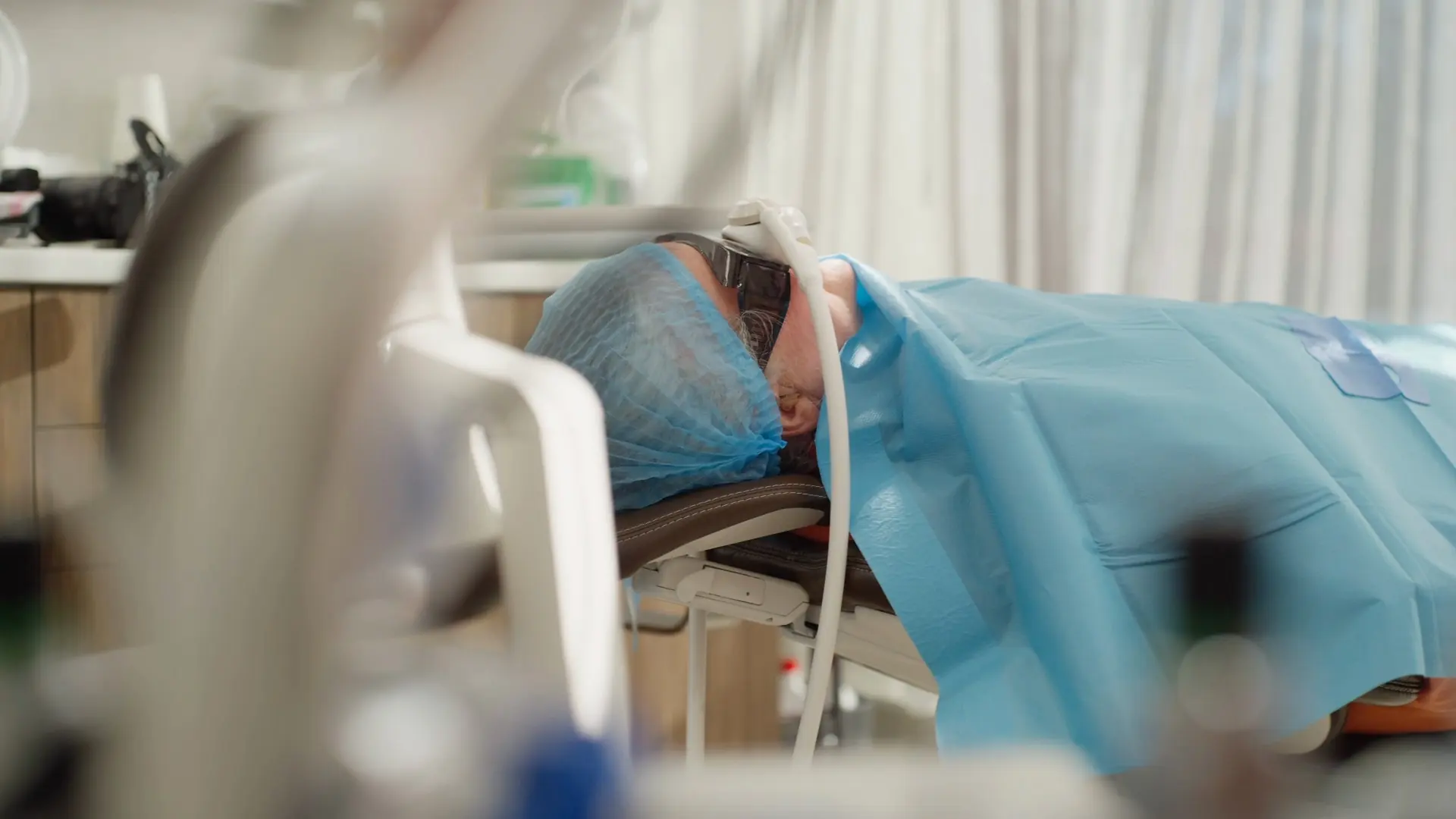
If the idea of dental treatment makes you anxious, you are not alone. Dental anxiety is common, and it is one of the main reasons people delay care, sometimes for years. It is a familiar story in Canberra’s inner north: you move to the city for study or a job in Civic, life stays busy, and a checkup that felt easy to postpone quietly turns into years of avoidance. IV sedation is one approach that can make treatment more manageable for people in this position, particularly those who have a lot to catch up on in one go. This article explains what IV sedation dentistry is, how it works, who it may be suitable for, and what to expect on the day and afterwards. It is general information only and is not a substitute for a consultation with a qualified practitioner.
What is IV sedation?
IV (intravenous) sedation is a form of conscious sedation. A sedative medication is delivered through a small cannula placed in a vein, usually in the back of the hand or the arm. The aim is to bring you to a deeply relaxed, drowsy state while you remain able to breathe on your own and respond to gentle prompts.
IV sedation is different from a general anaesthetic. Under a general anaesthetic you are fully unconscious; with conscious sedation you are in a relaxed, sleep-like state but not fully “under”. Many people remember little or nothing of the appointment afterwards, which is one reason it can help with anxiety.
Because the medication is given intravenously, its effect can be adjusted during the appointment, and it tends to take effect quickly.
Who might consider IV sedation?
IV sedation is not necessary for most routine dental visits, but it may be discussed as an option for people who:
- experience significant dental anxiety or fear
- need longer or more involved treatment completed in fewer visits
- have a strong gag reflex that makes treatment difficult
- find it hard to sit through procedures comfortably
Whether IV sedation is appropriate for you depends on your medical history, the treatment planned, and an assessment by a qualified practitioner. Some medical conditions and medications affect suitability, which is why a thorough health review always comes first. Other options, such as nitrous oxide (“happy gas”) or oral sedation, are lighter forms of sedation that may be more appropriate in some situations. The right choice is an individual one.
Safety and monitoring
Sedation is taken seriously, and appropriate training and monitoring are central to how it is provided. At Dental Embassy, IV sedation is provided in-house by practitioners with relevant sedation training, including Dr Anna Huang, our IV sedationist, alongside our principal dentist Dr Srikanth Karumuri.
During IV sedation, monitoring typically includes measurements such as your heart rate, blood oxygen levels and blood pressure throughout the appointment. Before your appointment, you can expect a review of your medical history and current medications, along with instructions about fasting (not eating or drinking for a set period beforehand) and other preparation.
Any procedure involving sedation carries some risk, and those risks are part of the conversation you should have with your practitioner beforehand.
What to expect on the day
While every practice and every patient is different, an appointment involving IV sedation commonly involves:
- Before you arrive: following the fasting and medication instructions you have been given, and arranging for a responsible adult to take you home afterwards.
- On arrival: a final check of your health information and an explanation of what will happen.
- During treatment: placement of a small cannula, delivery of the sedative, and continuous monitoring while your dental treatment is carried out.
- Recovery: a period of rest at the practice until you are ready to leave.
Recovery and aftercare
Because sedative medication can affect your coordination, memory and judgement for the rest of the day, some sensible precautions apply. One worth planning early (especially if, like many people in Braddon and the surrounding inner-north suburbs, you rent, live alone or have moved to Canberra without family nearby) is lining up a responsible adult to collect you, since you cannot drive yourself or head home on the light rail unaccompanied afterwards. It is standard advice that after IV sedation you should:
- have a responsible adult drive you home and stay with you
- avoid driving, operating machinery, signing important documents or drinking alcohol for the rest of the day
- rest and follow the specific aftercare instructions provided for your treatment
Most people feel back to normal by the following day, though this varies. Your practice will give you written aftercare instructions and a contact number in case you have questions after you leave.
Sedation dentistry at Dental Embassy
Dental Embassy on Northbourne Avenue in Braddon is a sedation-focused practice, and IV sedation is provided in-house rather than referred elsewhere, so patients from across the Canberra catchment can be assessed, treated and monitored in one place. If you would like to understand whether sedation is appropriate for your situation, the starting point is a consultation, where your health history and treatment needs are assessed and your options explained. Weekday appointments run from 7:30am, which some people find easier to fit around work in the city.
You can read more on our sedation dentistry page, or call us on 1300 000 230 to arrange a consultation.
This article is general information only and does not constitute dental or medical advice. Any procedure involving sedation carries risks. Before proceeding, you should seek advice from an appropriately qualified health practitioner about your individual circumstances.
Have a question about your own situation?
Book a consultation with the team at Dental Embassy in Braddon. We’ll assess your teeth, explain your options, and answer your questions before anything is decided.