Happy Gas Explained: How Nitrous Oxide Sedation Works
A plain guide to nitrous oxide (happy gas) at the dentist: how it's given, how it feels, and how quickly it wears off, from Dental Embassy, Braddon, Canberra.
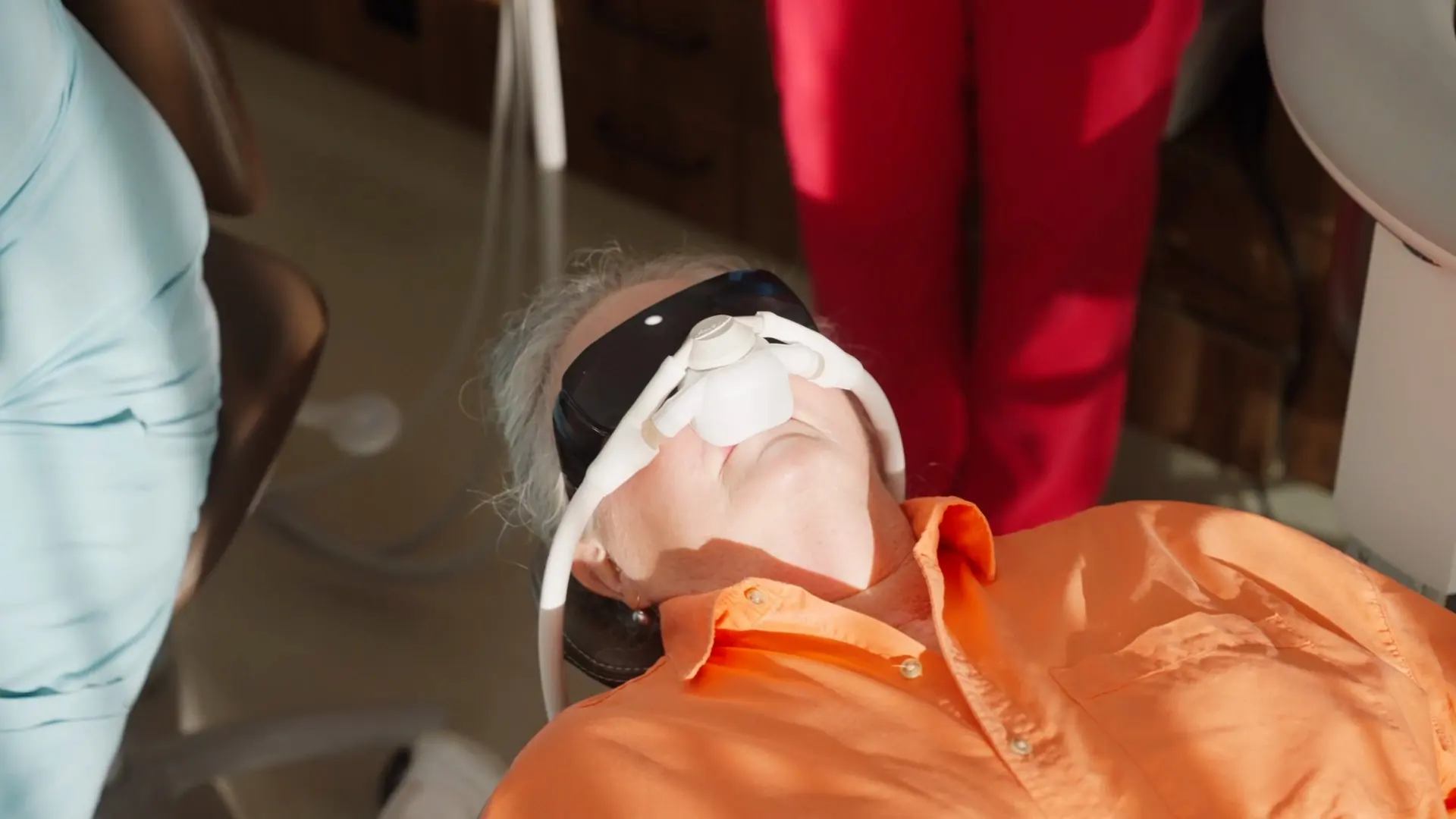
If dental visits make you tense, a lighter form of sedation can sometimes take the edge off without changing much about your day. That appeals to a lot of people around Canberra’s inner north (students, and the busy professionals who work in Civic) who want a little help getting through a checkup or a filling but still need to get back to a lecture, a desk or the school run. Nitrous oxide (often called “happy gas”) is the lightest sedation option many practices offer. This article explains what it is, how it is given, how it tends to feel, and how quickly it wears off. It is general information only and is not a substitute for a consultation with a qualified practitioner.
What is nitrous oxide?
Nitrous oxide is a colourless gas that has been used in dentistry for a long time. Mixed with oxygen and breathed in through a small mask, it produces a mild, relaxed feeling during treatment. It is sometimes described as “happy gas” because of the calm, slightly floaty sensation people commonly report.
Unlike deeper forms of sedation, nitrous oxide is very light. You stay awake, aware of your surroundings, and able to talk and respond throughout the appointment. It is one of several sedation options, and it sits at the gentlest end of the range.
How it’s administered
Nitrous oxide is simple to give. A small, soft mask is placed over your nose, and you breathe normally through it. The gas is mixed with oxygen, and the amount can be adjusted during the appointment.
A typical appointment tends to involve:
- placing the mask over your nose and asking you to breathe steadily through it
- a few minutes for the relaxed feeling to settle in
- adjusting the mix as needed while your dental treatment is carried out
- breathing pure oxygen for a short period at the end, which helps clear the gas
Because you breathe it in and out, the effect comes on gently and can be dialled up or down as the appointment goes.
How it feels
Most people describe nitrous oxide as a light, calm, slightly warm or floaty feeling. You remain conscious and in control. It is not the same as being “put to sleep.” You can hear the dentist, answer questions, and let them know how you are going at any point.
The sensation eases anxiety for many people and can make sitting through treatment more comfortable. Everyone responds a little differently, and part of the appointment is simply finding a level that feels right for you.
How quickly it wears off
One of the main practical advantages of nitrous oxide is how quickly it leaves your system. Once the mask is removed and you have breathed oxygen for a short while, the effects tend to fade within minutes rather than hours.
Because it clears so quickly, people are usually able to drive themselves home and return to their normal day after an appointment with nitrous oxide alone, which is different from deeper sedation, where a responsible adult must drive you home. For someone squeezing a visit into a workday in Civic or between classes, that quick recovery is often the deciding factor. Your practitioner will confirm what applies to your situation before you leave, as individual circumstances vary.
Who it may suit
Nitrous oxide is not needed for most routine visits, but it may be discussed as an option for people who:
- feel mild nervousness or unease about dental treatment
- would like something to take the edge off without deeper sedation
- are having a shorter or more straightforward procedure
- prefer an option that wears off quickly so they can carry on with their day
It can also be a gentle option for children who feel anxious. At Dental Embassy, happy gas is one of the tools that can help nervous young patients feel more settled as part of our children’s dentistry. The Child Dental Benefits Schedule (CDBS) covers eligible under-18s for a range of basic dental services, and eligibility can be checked when you book.
Whether nitrous oxide is suitable for you or your child depends on medical history, the treatment planned, and an assessment by a qualified practitioner. A health review always comes first.
Where it fits among the options
Nitrous oxide is the lightest of the sedation choices, and it does not suit every situation. For higher levels of anxiety, or for longer and more involved treatment, lighter sedation may not be enough on its own.
For those situations, deeper options exist:
- Oral sedation: a prescribed medication taken before your appointment for a deeper level of relaxation
- IV sedation: a deeper, adjustable form of conscious sedation delivered through a small cannula, provided in-house by our IV sedationist Dr Anna Huang
These sit further along the range and involve more preparation and aftercare than happy gas. The right choice is an individual one, and it is worked out with your practitioner based on your needs and health history. You can read more about the different levels on our sedation dentistry page.
Talking it through at Dental Embassy
Dental Embassy on Northbourne Avenue in Braddon is a sedation-focused practice, and nitrous oxide is one of several options available in-house. If you are unsure whether happy gas is right for you or your child, the starting point is a conversation, where your health history and treatment needs are assessed and your options explained. We are a short walk from the city on the light-rail line, with weekday appointments from 7:30am if an early slot suits you better.
To talk it through, call 1300 000 230 or get in touch.
This article is general information only and does not constitute dental or medical advice. Any procedure involving sedation carries risks. Before proceeding, you should seek advice from an appropriately qualified health practitioner about your individual circumstances.
Have a question about your own situation?
Book a consultation with the team at Dental Embassy in Braddon. We’ll assess your teeth, explain your options, and answer your questions before anything is decided.