What Happens at a Dental Check-Up and Clean
A step-by-step guide to what happens at a routine dental check-up and clean: the examination, x-rays, scale-and-clean, and advice.
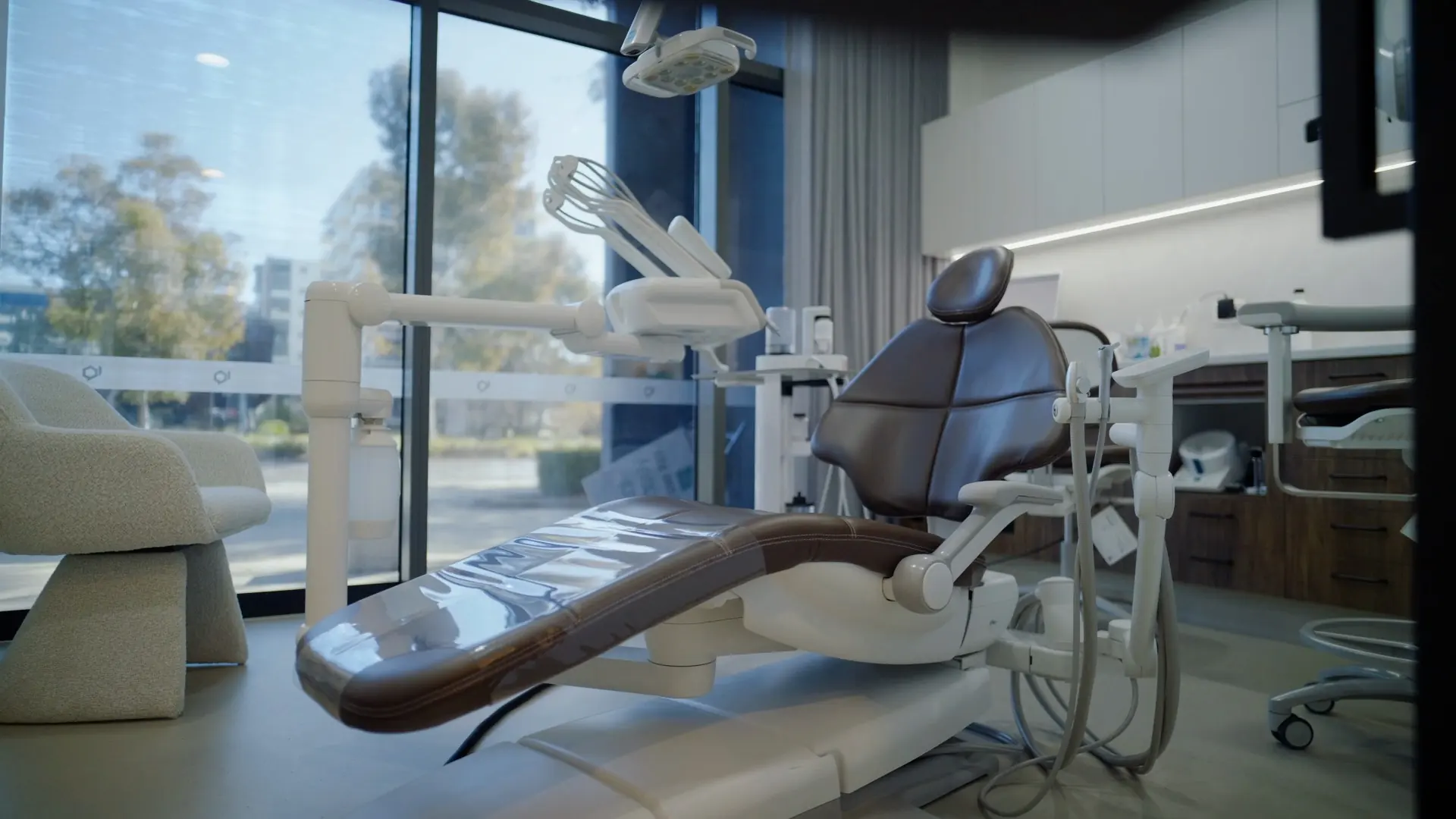
For something so routine, a dental check-up and clean can feel surprisingly mysterious if it has been a while, and not knowing what to expect is often part of what makes people put it off. If you have recently moved to Canberra, or shifted between rentals around Braddon and the inner north, it is easy for check-ups to slip while you find your feet and a new dentist to go with the new address. This article walks through what typically happens at a routine visit, step by step, so there are fewer surprises. It also covers how often check-ups are generally suggested. It is general information only and is not a substitute for advice from a qualified practitioner, as every mouth and every visit is a little different.
What a check-up and clean is for
A check-up and clean has two straightforward jobs. The check-up is the dentist looking at your teeth, gums and mouth to see how things are. The clean is removing the build-up that a toothbrush cannot fully manage on its own.
Together, the aim is to catch anything small before it grows, keep your gums healthy, and give you clear, tailored advice. Most routine visits are calm and unremarkable, which is exactly the point.
Step by step: what usually happens
While every practice does things slightly differently, a routine visit commonly follows a pattern like this.
1. A quick catch-up
Your visit usually starts with a short chat. The dentist may ask about your general health, any medications you take, and whether you have noticed anything: sensitivity, discomfort, bleeding gums, or a tooth that feels different. If you feel anxious, this is a good moment to say so, so the team can take things at a pace that suits you.
2. The examination
Next comes the examination itself. Using a small mirror and gentle instruments, the dentist looks over:
- your teeth, checking for decay, wear, cracks or issues with existing fillings
- your gums, looking for signs of gum disease such as inflammation or bleeding
- your bite and jaw
- the soft tissues of your mouth (cheeks, tongue and the roof and floor of the mouth) as part of a general oral health check
This part is usually quick and comfortable, and the dentist will often talk through what they are seeing as they go.
3. X-rays, if they are needed
X-rays are not taken at every visit. When they are recommended, it is because some things, such as decay between teeth or what is happening below the gum line, cannot be seen by looking alone. How often X-rays are suggested varies from person to person, based on your history and what the dentist finds. If X-rays are recommended for you, the reason should always be explained.
4. The scale and clean
The clean is where plaque and tartar are removed. It helps to know the difference between the two:
- Plaque is a soft, sticky film that constantly forms on teeth. Brushing and flossing remove most of it at home.
- Tartar (also called calculus) is plaque that has hardened over time. Once it sets, it cannot be brushed away and needs to be removed professionally.
To do this, the dentist or hygienist uses special instruments (often an ultrasonic scaler that uses gentle vibration and water) to lift tartar from the teeth and along the gum line. Your teeth may then be polished to smooth the surfaces and remove surface staining. Some people feel a little sensitivity during a clean, particularly around the gums; if anything is uncomfortable, say so and the clinician can adjust.
5. Advice and next steps
To finish, the dentist talks you through what they found. That might be reassurance that everything looks healthy, some pointers on brushing or flossing technique, or a plan if something needs attention. If any treatment is suggested, it should be explained clearly so you understand what it involves before deciding anything.
How often should you have a check-up?
This is one of the most common questions, and the honest answer is that it depends on the person. There is no single interval that suits everyone. Many people are advised to have a routine check-up and clean roughly twice a year, but the right frequency for you depends on your individual oral health, your history, and your dentist’s assessment.
Some people are advised to come more often (for example, if they are managing gum disease or are more prone to decay) while others with consistently healthy mouths may be seen less frequently. Rather than fixing on a number, the most useful approach is to ask your dentist what interval makes sense for you and to keep to it. Regular visits are what allow small issues to be picked up while they are still small.
If you feel anxious about visiting
If nerves are the thing standing between you and a check-up, please know that is common and that there are ways to make a visit easier. Our guide on being nervous about a routine check-up offers practical suggestions, and Dental Embassy is a judgement-free, sedation-led practice in Braddon, Canberra. For people whose anxiety is significant, sedation options are available, from nitrous oxide (“happy gas”) through to oral and IV sedation, though whether any of these suit you depends on your health and an assessment by a qualified practitioner. You can read more on our sedation dentistry page.
A routine check-up and clean is part of our everyday general dentistry care. Dental Embassy is on Northbourne Avenue in Braddon, a short walk from Civic and right on the light-rail line, and opens early on weekdays from 7:30am as well as Saturdays, so whether you can only manage a slot before work or need the weekend, there is likely a time that fits around your week. If you have private cover we can process it on the spot through HICAPS, and for eligible children under 18 the Child Dental Benefits Schedule (CDBS) may help with the cost.
If you are due for a check-up or would simply like to talk it through first, call us on 1300 000 230 or get in touch.
This article is general information only and does not constitute dental or medical advice. Recommendations vary from person to person. Please seek advice from an appropriately qualified health practitioner about your own circumstances.
Have a question about your own situation?
Book a consultation with the team at Dental Embassy in Braddon. We’ll assess your teeth, explain your options, and answer your questions before anything is decided.