Nervous About a Routine Check-Up? You're Not Alone
If nerves keep you from booking a routine dental check-up, here is why that is so common and what makes the visit easier when you go.
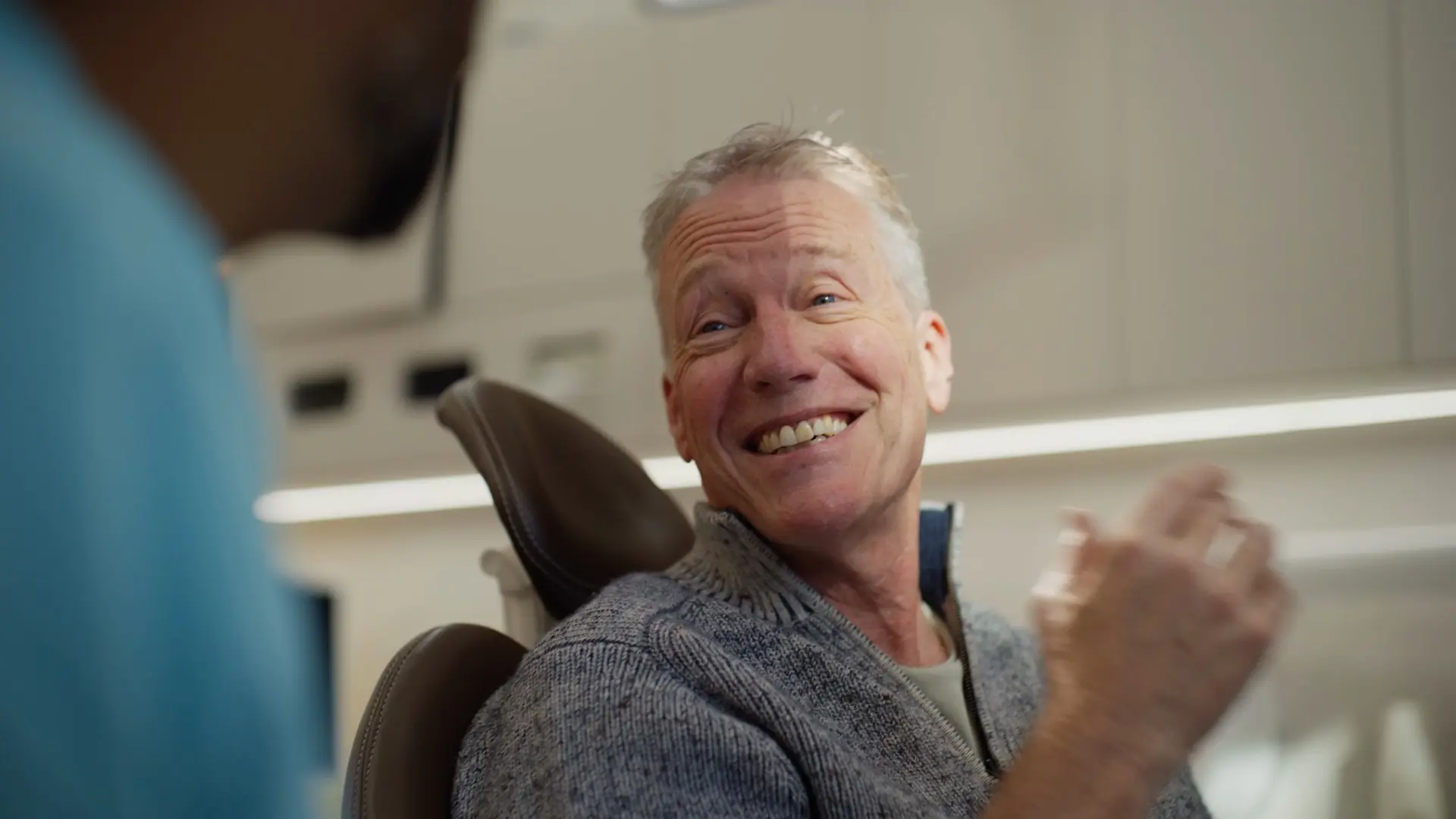
If the thought of a dental check-up makes your stomach tighten, you are far from the only one. Plenty of people feel uneasy about the dentist, and for some, that unease is enough to put off even a routine visit. This article is for anyone who has been meaning to book but keeps finding a reason not to. That includes people who have recently moved to Canberra, or moved around within the inner north (Braddon, Turner, O’Connor, Dickson, the City) and never got around to finding a new dentist, so nerves and a to-do list have quietly become the same thing. It explains why so many of us feel this way, why delaying tends to make things harder rather than easier, and some practical ways to make a check-up more manageable. It is general information only and is not a substitute for advice from a qualified practitioner.
Why routine check-ups make so many people nervous
Feeling anxious about the dentist is common, and it is nothing to be embarrassed about. The nerves usually come from a mix of things rather than a single cause.
For some people it goes back to an uncomfortable experience years ago (sometimes in childhood) that left a lasting impression. For others it is the unknown: not knowing what will happen, what it might cost, or what a dentist will say about how long it has been. The sounds and smells of a clinic can be a trigger on their own. And a lot of people quietly worry about being judged for the state of their teeth or for how long they have stayed away.
That last one matters, so it is worth saying plainly: a check-up is not a test you pass or fail. The goal is simply to see where things are and work out what, if anything, needs attention.
Why waiting tends to make it harder
When a visit feels stressful, avoiding it brings relief, but usually only for a while. The tricky part is that dental issues rarely improve on their own while you wait.
- A small problem picked up early is generally more straightforward to deal with than the same problem left for a year or two.
- Something that starts out symptom-free can become uncomfortable, or start to affect day-to-day life, if it is left unchecked.
- The longer the gap, the more the visit can build up in your mind, which can make booking feel even harder next time.
None of this is meant to alarm you. The point is the opposite: getting back into a regular rhythm of check-ups is one of the more reliable ways to keep visits short, simple and predictable, which is exactly what most nervous patients are hoping for.
Practical ways to make a check-up easier
If nerves have been holding you back, a few small changes can make a real difference. You do not have to do all of these. Even one or two can help.
Say something when you book
Let the practice know you feel anxious when you make the appointment. A team that is used to nervous patients can plan for it: allowing a little more time, explaining things as they go, and checking in with you along the way. You are not being difficult by mentioning it; you are giving them what they need to look after you well.
Choose a time that suits you
For some people, a first appointment of the day means less time sitting in the waiting room building things up. Others prefer a quieter time when they will not feel rushed. Dental Embassy on Northbourne Avenue in Braddon opens early on weekdays, from 7:30am, early enough to get in before work if you are heading into Civic, which is a short walk or one stop down the light-rail line. We are also open on Saturdays, so if a weekday feels like too much on top of everything else, a quieter weekend slot may be easier to face.
Bring support and something to settle you
- Bring a friend or family member if that helps you feel steadier.
- Headphones and your own music or a podcast can take the edge off the clinical sounds.
- Agree on a simple signal, such as raising a hand, so you can pause at any point. Knowing you can stop often makes it easier to keep going.
Take it one step at a time
You do not have to sort everything out in a single visit. A check-up is often just a look and a conversation, with any treatment planned for later, at a pace you are comfortable with. Starting small is a perfectly reasonable way to rebuild confidence.
When nerves are more than nerves
For some people, the fear runs deeper: enough that even walking through the door feels out of reach. If that describes you, it does not mean you are stuck, and it does not mean routine care is off the table. It just means it can help to have more support in place.
Dental Embassy is a judgement-free, sedation-led practice, and sedation options are available for people whose anxiety is significant. These range from lighter approaches such as nitrous oxide (“happy gas”) through to oral and IV sedation, with our IV sedationist Dr Anna Huang overseeing IV cases. Whether any form of sedation is suitable for you depends on your medical history and an assessment by a qualified practitioner. It is a conversation, not a given. You can read more on our sedation dentistry page, and our tips for managing dental anxiety offer some further practical ideas.
Ready when you are
Once you are ready to take that step, it can help to know what actually happens in the chair: our guide to what happens at a dental check-up and clean walks through a routine visit from start to finish. All of this sits under our broader general dentistry care.
There is no pressure and no judgement here, just a team used to helping nervous people get back to looking after their teeth. If you would like to talk it through or book a check-up, call us on 1300 000 230 or get in touch.
This article is general information only and does not constitute dental or medical advice. Your circumstances are individual. Please seek advice from an appropriately qualified health practitioner about your own situation.
Have a question about your own situation?
Book a consultation with the team at Dental Embassy in Braddon. We’ll assess your teeth, explain your options, and answer your questions before anything is decided.