Is a Toothache a Dental Emergency? When to Seek Care
A calm guide to toothache in Canberra: which symptoms can usually wait, which need prompt care, and how to stay comfortable in the meantime.
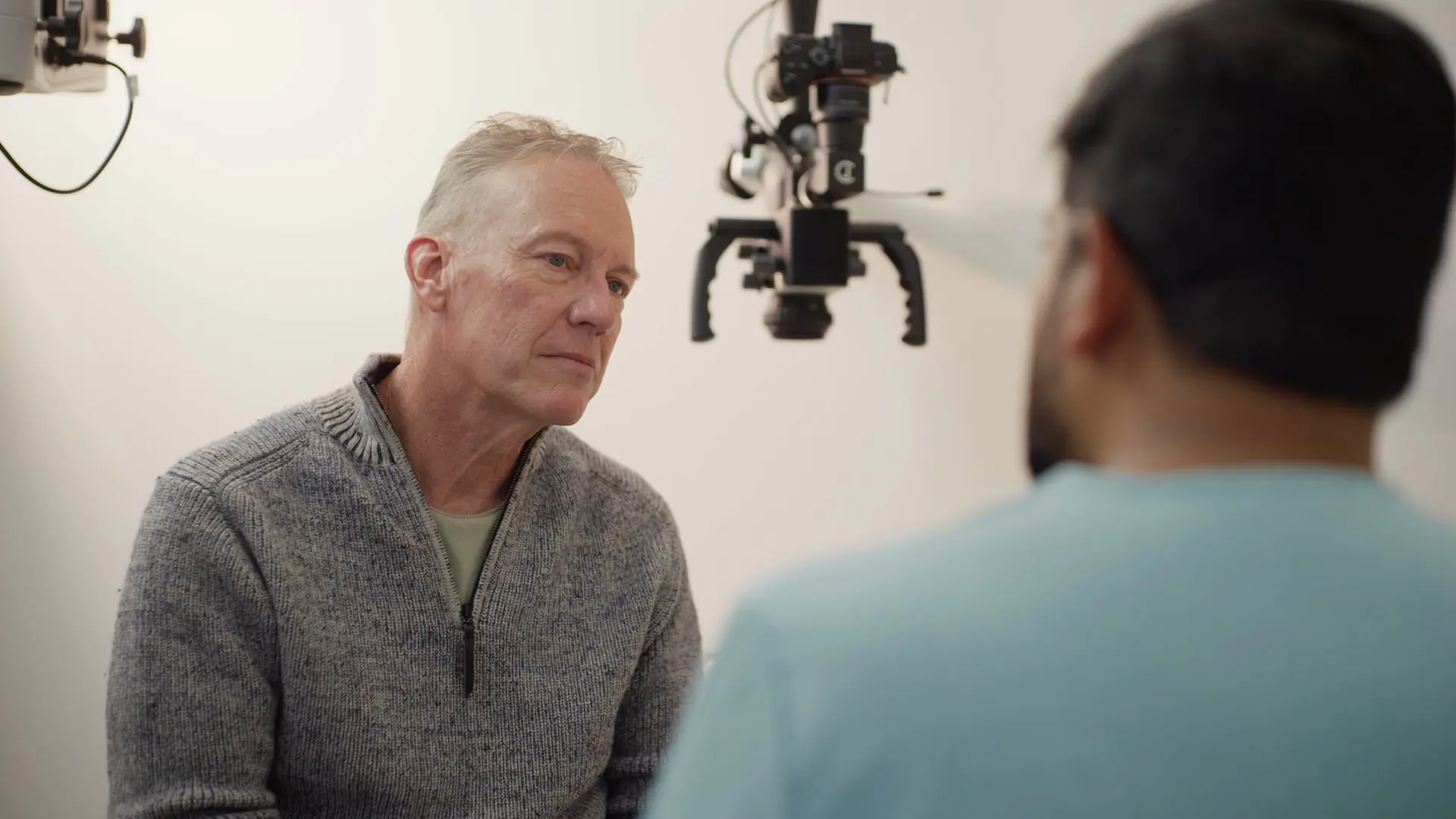
A toothache has a way of arriving at the worst moment, often late at night, when the practice is closed and you are weighing up whether to wait until morning or find help now. The honest answer is that it depends on your symptoms. Some toothaches can safely wait a short while with a little home care, and some need prompt attention. This guide is for people around inner-north Canberra trying to work out whether a sore tooth can wait until they can get in to see a dentist. It explains how to tell the difference, what can help you stay more comfortable in the meantime, and when a toothache tips over into something urgent. It is general information only, not a diagnosis of your situation.
First, the important safety note
Most toothaches are painful but not dangerous. A small number are signs of a spreading infection or a serious injury, and those need urgent help. If you have facial swelling that is affecting your breathing or swallowing, or a toothache following a serious accident, call 000 or go to the nearest hospital emergency department straight away. When you are not sure how serious something is, it is always safer to treat it as an emergency and get help.
For a painful tooth that is not accompanied by those warning signs, a dentist is usually the right person to see.
Which toothaches can usually wait?
Not every sore tooth needs a same-day appointment. Symptoms that are uncomfortable but generally not urgent include:
- Mild or occasional sensitivity to hot, cold or sweet foods that settles quickly once the trigger is gone.
- A dull ache that responds to over-the-counter pain relief and does not keep you awake.
- Mild discomfort around a tooth with no swelling, no fever and no sign of injury.
These are still worth having looked at (a toothache is your body telling you something needs attention, and problems tend to grow rather than fade), but they usually do not need an after-hours response. Booking an appointment in the next few days is a sensible step.
Which toothaches need prompt care?
Some symptoms suggest a problem that will not settle on its own, or an infection that may be spreading. Treat the following as reasons to seek care promptly:
- Severe, unrelenting pain that is not eased by over-the-counter pain relief or that keeps you awake at night.
- Swelling of the gum, cheek, face or jaw: swelling can be a sign of infection and should always be taken seriously.
- Fever or feeling generally unwell alongside the tooth pain.
- A bad taste, discharge or a “pimple” on the gum near the sore tooth, which can point to an abscess.
- Pain after a knock or accident, or a tooth that is now loose, chipped or out of position.
- Pain and swelling at the back of the jaw, which can come from a wisdom tooth.
If your symptoms match any of these, it is worth contacting a dentist without waiting to see whether things improve. Describing what you are experiencing over the phone helps the team advise you on how quickly you should be seen.
Why toothache at night can feel worse
If your toothache seems to flare the moment you lie down, you are not imagining it. Lying flat can increase the pressure around an inflamed tooth, and with fewer distractions at night, pain often feels more intense. Propping your head up with an extra pillow can sometimes take the edge off. A restless, painful night is a reasonable prompt to arrange an appointment the next day rather than pushing on and hoping it passes on its own.
Staying comfortable while you arrange care
While you wait to be seen, a few simple measures may help you manage a toothache more comfortably:
- Take over-the-counter pain relief strictly as directed on the packet, provided it is suitable for you. Follow the label and do not exceed the stated dose.
- Rinse gently with warm salt water to help clean the area and soothe the gum.
- Use dental floss to remove any trapped food between the teeth, which can sometimes be the source of the ache.
- Avoid very hot, very cold or very sweet foods and drinks, which can trigger sensitive teeth.
- Apply a cold compress to the outside of the cheek if there is swelling. Never hold heat against your face, as warmth can encourage an infection to spread.
A couple of things to avoid: do not place pain-relief tablets directly against the gum, as this can burn the tissue, and do not rely on rinses or painkillers to make an infection go away. They may ease symptoms for a time, but an infected tooth needs professional treatment to resolve.
When a toothache becomes an emergency
There are moments when a toothache is no longer just a dental problem. If facial swelling is spreading quickly, reaching your eye, or making it hard to breathe or swallow, treat it as a medical emergency and call 000 or go to the nearest hospital emergency department. The same applies to a serious injury after an accident or if you feel very unwell. A dental practice is not the right place for a life-threatening emergency.
Short of that, spreading swelling, fever, or severe pain that will not settle are all good reasons to seek dental care the same day where possible. If you live or work in the inner north, being able to reach a Braddon dentist quickly along the light-rail line can make same-day care easier to arrange. Acting early is usually more comfortable (and often simpler to treat) than waiting for a problem to worsen. Our companion guide on what to do in a dental emergency walks through the most common situations, including abscesses and knocked-out teeth. If your pain sits at the back of the jaw, our guide to wisdom teeth removal and your options may also be useful background.
Getting seen at Dental Embassy
Dental Embassy on Northbourne Avenue in Braddon offers emergency dental care, including same-day appointments where available, and sedation options for people who feel anxious about treatment. Centrally placed in inner-north Canberra, on the light-rail line and a short walk from Civic, it is easy to reach from City, Turner, Dickson, O’Connor and Ainslie. The practice is open Monday to Friday 7:30am–5:00pm and Saturday 9:00am–3:00pm. If you are unsure how urgent your toothache is, a quick phone call to describe your symptoms will help the team guide you on what to do and how soon to come in.
In a dental emergency
If you are dealing with a painful tooth during opening hours, call 1300 000 230. The sooner you make contact, the sooner the team can advise you. You can read more about emergency care on our website. For a life-threatening emergency, facial swelling affecting your breathing or swallowing, or a serious accident, call 000 or go to the nearest hospital emergency department.
This article is general information only and does not constitute dental or medical advice. It is not a diagnosis of your situation. If you are experiencing a medical emergency, call 000 or attend your nearest hospital emergency department. For advice specific to you, please consult an appropriately qualified health practitioner.
Have a question about your own situation?
Book a consultation with the team at Dental Embassy in Braddon. We’ll assess your teeth, explain your options, and answer your questions before anything is decided.