Dental Emergencies: Toothache, Abscess or a Knocked-Out Tooth
A practical guide to dental emergencies in Canberra: what counts as urgent, first-aid steps for common problems, and when to seek care.
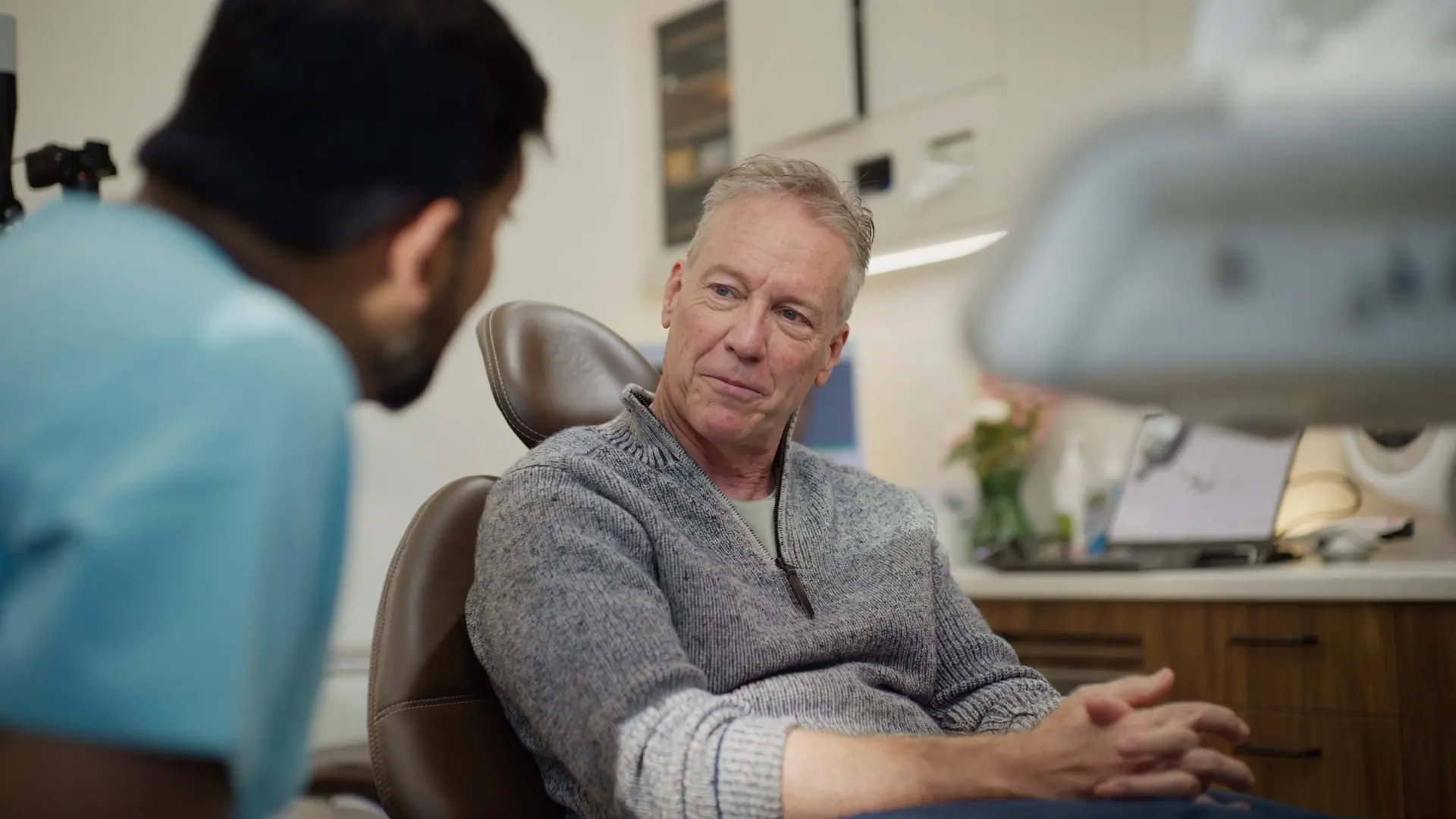
A dental problem can come on suddenly: a tooth that throbs overnight, a swelling that appears in a day, or an accident that chips or knocks out a tooth. Knowing what to do in the first hour, and when to seek help, can make a real difference to how comfortable you are and, in some cases, whether a tooth can be saved. This guide is written for people around inner-north Canberra who need to know what to do and where to turn when something goes wrong with a tooth. It explains what generally counts as a dental emergency and what you can do for the most common problems while you arrange care. It is general information only, not a diagnosis or a treatment plan for your situation.
First, the important safety note
Some situations are beyond a dental problem and need urgent medical help. If you have facial swelling that is affecting your breathing or swallowing, uncontrolled bleeding, a serious injury after an accident, or you feel very unwell, call 000 or go to the nearest hospital emergency department straight away. A dental practice is not the right place for a life-threatening emergency. When in doubt, treat it as an emergency and get medical help.
For dental problems that are painful or worrying but not life-threatening, a dentist is usually the right first port of call.
What counts as a dental emergency?
Not every dental issue needs same-day attention, but some do. Situations that are commonly treated as urgent include:
- Severe or persistent toothache that is not settling with over-the-counter pain relief.
- Swelling of the gum, face or jaw, which can be a sign of infection.
- A knocked-out (avulsed) adult tooth following an accident. This is time-sensitive.
- A tooth that has been pushed out of position or is loose after a knock.
- Bleeding that does not stop after applying steady pressure.
- A broken or badly chipped tooth, especially if it is sharp or painful.
Milder problems (a small chip that is not sore, a lost filling with no pain, mild sensitivity) are worth having looked at, but generally do not need an after-hours response. When you are unsure how urgent something is, calling the practice for guidance is a sensible step.
Severe toothache
A toothache can have many causes, from decay to a cracked tooth to infection, so an assessment is needed to find out what is going on. While you arrange to be seen, the following may help you stay more comfortable:
- Rinse gently with warm salt water to help clean the area.
- Use dental floss to remove any trapped food between the teeth.
- Take pain relief as directed on the packet, provided it is suitable for you.
- Avoid very hot, very cold or very sweet foods and drinks.
Do not place pain-relief tablets directly on the gum, as this can burn the tissue. Pain that is severe, keeps you awake, or comes with swelling is a reason to seek care promptly.
Dental abscess and facial swelling
A dental abscess is a collection of infection, and it can cause pain, a bad taste, and swelling of the gum or face. Swelling is a sign that infection may be spreading and should always be taken seriously. Book to be seen as soon as possible.
If swelling is spreading quickly, affecting your eye, or making it hard to breathe or swallow, treat it as a medical emergency and call 000 or go to the nearest hospital emergency department. Warm salt-water rinses may offer some short-term relief, but an abscess needs professional treatment. It will not clear up on its own.
A knocked-out (avulsed) adult tooth
A knocked-out adult tooth is one of the few dental situations where minutes matter, because the sooner it is back in place, the better the chance it can be saved. If an adult tooth is knocked out:
- Pick the tooth up by the crown (the white part you normally see). Never touch the root.
- If it is dirty, rinse it briefly in milk or saline. Do not scrub it or remove any attached tissue.
- If you can, gently place the tooth back into its socket the right way round and hold it there by biting down softly on a clean cloth.
- If you cannot reinsert it, keep the tooth moist: store it in milk, or hold it inside the cheek. Do not let it dry out, and avoid storing it in water.
- See a dentist urgently, and take the tooth with you.
An important note: this advice is for adult teeth. A knocked-out baby tooth should generally not be put back, as this can affect the developing tooth underneath, but it is still worth seeing a dentist to check things over.
Chipped or broken tooth
A broken tooth can range from a minor chip to a larger fracture that exposes the sensitive inner layers. While you arrange to be seen:
- Rinse your mouth with warm water to clean the area.
- If there is bleeding, apply gentle pressure with a clean piece of gauze.
- Use a cold compress on the outside of the cheek to ease swelling.
- Keep any broken pieces if you can, and bring them with you.
- Avoid chewing on that side, and be careful of any sharp edges.
Lost filling or crown
Losing a filling or a crown is uncomfortable but is not usually an emergency in the same way as an injury or spreading infection. Keep the area clean, avoid chewing on that side, and if you still have the crown, keep it safe to bring to your appointment. Book to have it looked at before the exposed tooth becomes sensitive or damaged.
Bleeding
Bleeding from the mouth after an injury or an extraction can usually be managed at home by biting down firmly on a clean, folded piece of gauze or a cloth for around ten to fifteen minutes without checking it repeatedly. If bleeding is heavy, does not slow with steady pressure, or follows a significant injury, seek help, and treat uncontrolled bleeding as a medical emergency.
Getting seen at Dental Embassy
Dental Embassy on Northbourne Avenue in Braddon offers emergency dental care, including same-day appointments where available, and sedation options for people who feel anxious about treatment. The practice sits in central inner-north Canberra on the light-rail line and a short walk from Civic, which makes it straightforward to reach in a hurry from City, Turner, Dickson, O’Connor, Ainslie and the suburbs along the tram route. If your emergency involves a wisdom tooth, for example pain or swelling at the back of the jaw, that can be assessed at the same visit. The practice is open Monday to Friday 7:30am–5:00pm and Saturday 9:00am–3:00pm.
Whatever the problem, describing your symptoms over the phone helps the team advise you on how quickly you should be seen and what to do in the meantime.
In a dental emergency
If you are dealing with a dental emergency during opening hours, call 1300 000 230. The sooner you make contact, the sooner the team can guide you. You can read more about emergency care on our website. For a life-threatening emergency, facial swelling affecting your breathing or swallowing, or a serious accident, call 000 or go to the nearest hospital emergency department.
This article is general information only and does not constitute dental or medical advice. It is not a diagnosis of your situation. If you are experiencing a medical emergency, call 000 or attend your nearest hospital emergency department. For advice specific to you, please consult an appropriately qualified health practitioner.
Have a question about your own situation?
Book a consultation with the team at Dental Embassy in Braddon. We’ll assess your teeth, explain your options, and answer your questions before anything is decided.