Getting Used to New Dentures: The First Few Weeks
An honest account of the adjustment period with new dentures: sore spots, speech, eating again, and what is normal versus what needs a visit.
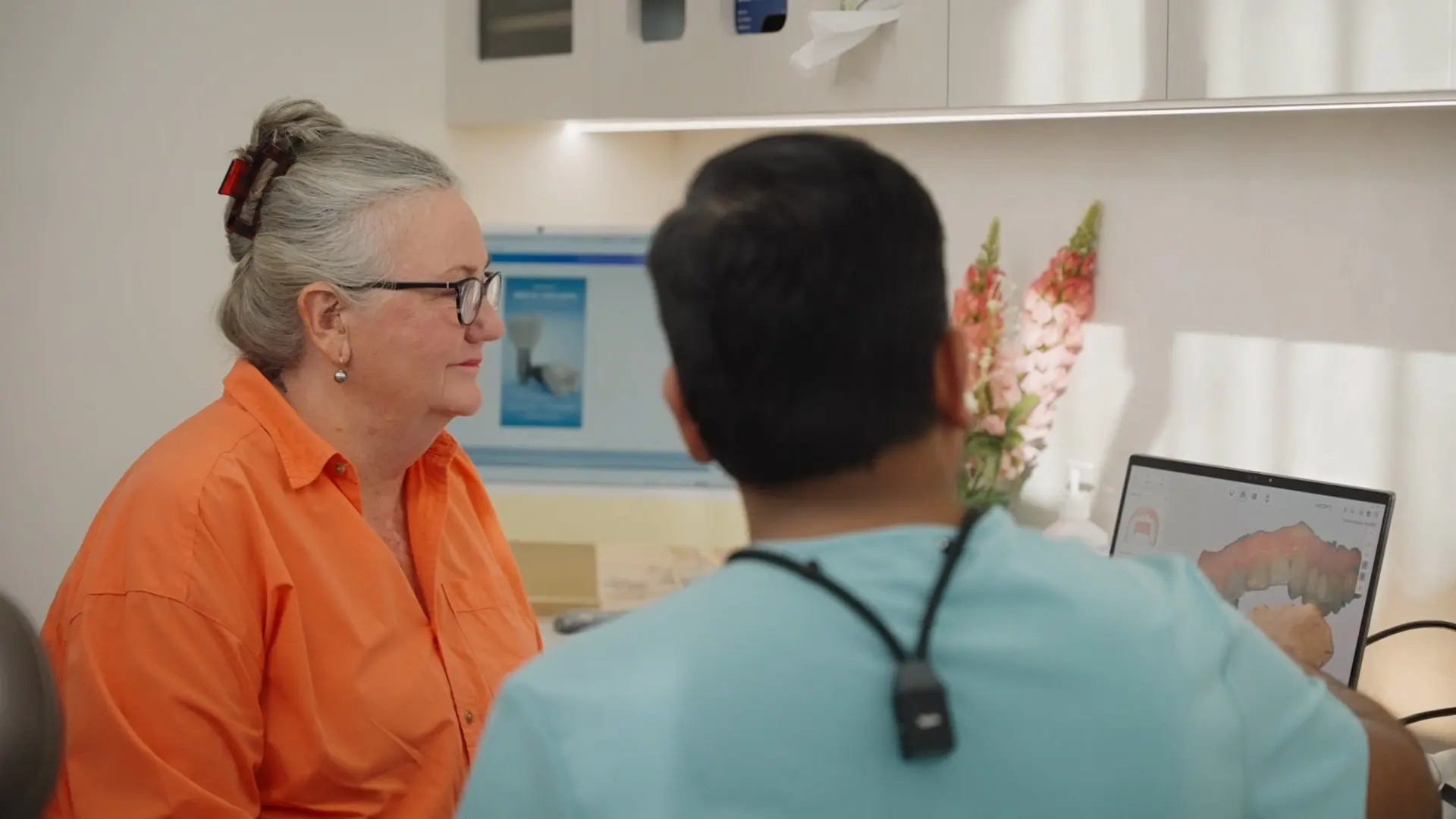
The fitting appointment is not the finish line. It is closer to the start, and people are often unprepared for that, which is a shame, because the adjustment period is much easier to get through when you know it is coming.
This article describes that period honestly, including the parts that are genuinely frustrating. It is general information only and is not a substitute for advice from your practitioner about your dentures.
The first day or two
Your mouth will notice the denture constantly. That is not a fault of the fit; it is a new object in a space that has been mapped by your tongue for your entire life, and your nervous system treats it as an intruder until it learns otherwise.
Expect increased saliva at first: your salivary glands respond to something new in the mouth, and it settles within a few days. Speech will feel odd and may sound odd to you, though usually far less noticeable to others than it seems from the inside.
Sore spots are expected, and they are fixable
This is the single most important thing to understand: sore spots are normal, they are not a sign the denture is wrong, and they are corrected by small adjustments.
A denture is made to a model of your mouth. However carefully that is done, the way it behaves under real chewing forces on real moving tissue can only be discovered by wearing it. A point of pressure develops, the gum underneath becomes tender, and the fix is usually a very small adjustment to the denture surface.
Two practical points:
Do not adjust it yourself. Filing or trimming a denture at home is a reliable way to ruin the fit permanently and turn a five-minute adjustment into a remake.
Wear it for a few hours before an adjustment appointment. The tender area needs to be visible so it can be marked accurately. Arriving having left the denture out all morning makes the appointment much less useful.
Several adjustment appointments in the first weeks are normal, not a sign that something has gone wrong.
Learning to eat again
This is where most of the real work is, and it takes longer than people expect. Chewing with a denture is a different motor skill from chewing with teeth, and it has to be learned.
A sensible progression:
- Start soft. Eggs, fish, well-cooked vegetables, pasta, mince.
- Cut everything small, smaller than feels necessary.
- Chew on both sides at once. This is the counterintuitive one. With natural teeth you chew on one side; with a full denture, chewing on both sides simultaneously keeps it stable rather than tipping it.
- Take your time. Rushing is how people become discouraged.
- Add harder foods gradually, over weeks.
- Leave the difficult things until last. Apples bitten into whole, crusty bread, corn on the cob, toffee and very chewy meat are the hardest, and some remain awkward.
Front teeth on a denture are for appearance and speech more than for biting hard into things. Cutting an apple into segments rather than biting into it is a normal adaptation, not a defeat.
Speech
Certain sounds (s, f, v and th) commonly feel different at first, and some people notice a whistle or a slight lisp.
Reading aloud for ten minutes a day is genuinely effective, and most people are surprised how quickly it resolves. If a specific sound is still troublesome after a few weeks, mention it; it can sometimes be improved by a small adjustment to the shape of the denture.
Wearing it overnight, or not
The usual advice is to leave dentures out overnight. It gives the gum tissue a rest from constant pressure, and it reduces the risk of fungal infection under the plate.
The common exception is the first day or two after an immediate denture is fitted following extractions, when it may be kept in to control swelling. Follow the specific instructions you are given, as that situation differs.
Dentures left out should sit in water or a cleaning solution, never dry: acrylic can distort if it dries out.
Cleaning
Clean them daily over a folded towel or a basin of water, so a drop does not crack them. Use a denture brush and soap or a denture cleaner rather than ordinary toothpaste, which is abrasive enough to scratch acrylic and create places for staining and bacteria.
Clean your mouth too. Gums, tongue and palate need brushing with a soft brush, and any remaining natural teeth need their usual care, more so with a partial denture, because the teeth holding the clasps are carrying extra load.
What is normal, and what is not
Normal in the first weeks: sore spots that respond to adjustment, extra saliva, odd speech, difficulty eating, a sense of bulk, occasional gagging that settles.
Worth an appointment: a sore spot that keeps returning after adjustment, an ulcer that is not healing, a denture that has become loose after being stable, pain in a specific tooth under a partial, persistent gagging, redness or soreness across the whole area under the plate, or a denture that has cracked or lost a tooth.
That “loose after being stable” one matters. Gum and bone continue to change shape, particularly in the months after extractions, and a denture that fitted well can stop doing so. That is what relining is for, covered in our article on denture repairs and relines.
Give it time, and use the adjustments
If there is one message worth taking, it is that the adjustment appointments are part of the treatment, not an admission of failure. People sometimes stop attending because they do not want to complain, and end up with a denture in a drawer.
Full dentures typically take several weeks to a few months to feel genuinely comfortable. Lower full dentures usually take longest, for the reasons set out in our article on full and partial dentures. Partial dentures are often quicker, because your remaining teeth do more of the stabilising.
Dentures at Dental Embassy
Dental Embassy is on Northbourne Avenue in Braddon, with light rail at the door, convenient when a treatment involves several short appointments over a few months. We are open from 7:30am on weekdays and 9:00am to 3:00pm on Saturdays.
You can read more on our dentures page, call us on 1300 000 230, or get in touch.
Have a question about your own situation?
Book a consultation with the team at Dental Embassy in Braddon. We’ll assess your teeth, explain your options, and answer your questions before anything is decided.